
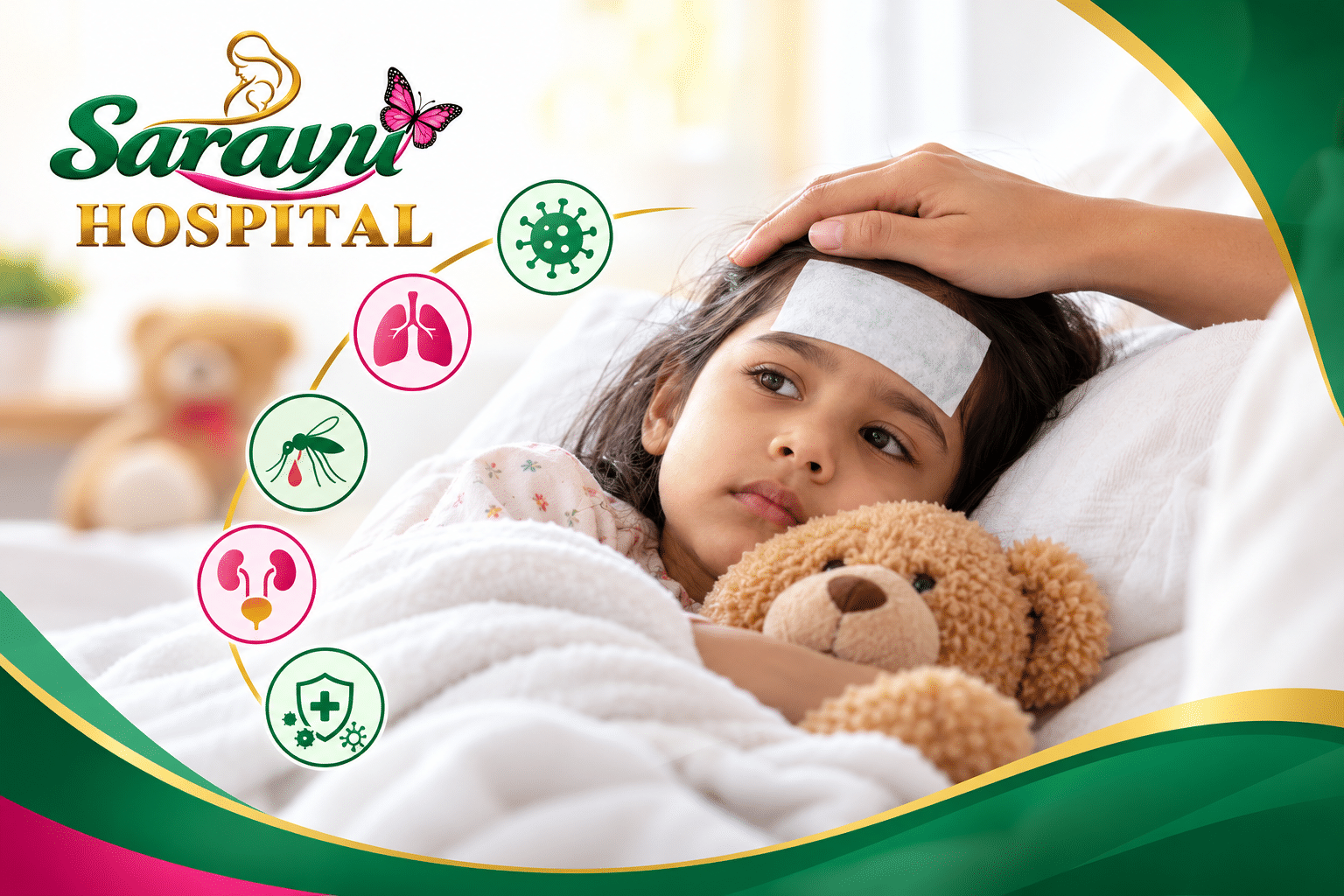
Seeing your child develop a fever again and again can worry any parent. A child may recover from a cold, return to normal activities, and then become unwell a few days or weeks later. Childhood fevers often occur due to everyday infections, but frequent fever in children may need closer attention rather than being dismissed as a normal childhood experience. Understanding possible causes, noticing changes in behaviour, and knowing when to seek medical advice can help you make informed decisions about your child’s health.
Fever is usually a sign that the body is responding to an infection or another condition. The temperature alone cannot show how serious an illness is. Your child’s age, other symptoms, hydration, and behaviour are equally important.
Children meet germs at school, daycare, and home, so separate infections can be common. The reasons children develop a fever can differ depending on their age, overall health, and accompanying symptoms.
Colds and other respiratory viruses commonly cause fever, runny nose, cough, tiredness, or reduced appetite. School and daycare can expose children to different viruses. If your child fully recovers between episodes, each fever may be a new infection.
Urinary tract, ear, throat, and lung infections can cause fever. Symptoms may include pain while urinating, earache, sore throat, cough, or breathing difficulties. A doctor may recommend tests. Antibiotics treat some bacterial infections, not viruses; never give leftover antibiotics without medical advice.
In India, dengue, malaria, typhoid, and other infections may cause fever. Do not assume every episode is viral, especially if it keeps returning or brings unusual symptoms. A doctor can decide whether testing is needed.
A urinary tract infection may cause a fever even if there are no signs of a cough or cold. Older children may report pain or frequent urination. A doctor may suggest a urine test if the reason for the symptoms remains uncertain.
Fever can sometimes follow vaccination. Less commonly, repeated episodes relate to inflammatory conditions or periodic fever syndromes. Recurrent fever in children needs assessment if episodes follow a pattern or occur with weight loss, poor growth, joint pain, or ongoing tiredness.
The fever symptoms in children vary. Common signs include:
Use a digital thermometer and record the reading and other symptoms for the doctor.
Parents should pay closer attention to warning signs of fever in children rather than focusing only on the temperature reading.
Seek urgent medical help if your child:
Age is especially important. A baby younger than three months with a temperature of 38°C or higher needs immediate medical assessment. Babies aged three to six months with a temperature of 39°C or higher also need urgent medical advice. Do not wait for the temperature to rise further if your child appears seriously unwell.
When Should You Consult a Doctor About Your Child’s Fever?
A child’s fever may improve temporarily after medication and then return, leaving parents unsure about what to do next. Recognizing when professional medical advice is needed can provide greater clarity.
Arrange a medical assessment when:
Fever lasting five days does not automatically mean a serious illness, but it needs assessment. Persistent fever in children may require an examination and selected tests based on symptoms.
If your child is alert, drinking, breathing comfortably, and has no warning signs, supportive care may help.
Offer regular fluids: Offer water, breast milk, or age-appropriate fluids. Ask a clinician about oral rehydration solution if vomiting or diarrhea occurs.
Allow enough rest: Let your child rest and return to activities gradually.
Dress comfortably: Use light clothing; avoid excess blankets, ice, and cold-water sponging.
Use medicine carefully: Use paracetamol only at the correct age- and weight-based dose, following professional advice and product instructions. Never give children aspirin or alternate fever medicines unless advised. Do not self-prescribe antibiotics.
Keep a fever diary: Record temperatures, symptoms, medicines, fluids, and episode dates. This can show patterns in repeated fever in kids. Parents should share the diary with the clinician mention recent travel or sick contacts, and explain whether the child returns fully to normal between fever episodes.
Fever medicine is intended to ease discomfort, not simply to make the thermometer show a normal number.
Simple habits can lower the risk of some infections.
High fever in children does not always mean severe illness, and a lower temperature does not guarantee safety. Watch your child’s overall condition.
Repeated fever can exhaust families. Record symptoms and seek advice when the pattern is unusual or recovery is delayed.
Sarayu Hospital offers pediatric and neonatal care. Parents worried about their child’s repeated fevers can speak with a doctor to explore possible causes and find out what care may be needed.
Galaxy Tech Solutions offers website development, SEO, content writing, and digital marketing services. Online health information should support, not replace, advice from a qualified healthcare professional.
Fever that keeps returning may be caused by different infections or other underlying health issues. Seek paediatric advice if episodes are prolonged or accompanied by poor growth or unusual symptoms.
Frequent fever in children needs assessment if episodes lack a clear cause, last five days, or bring warning signs. Babies under three months with a temperature of 38°C or higher need immediate care.
Teething may cause discomfort, but do not assume it explains a true fever. A temperature of 38°C or higher in a young baby needs medical attention.
A doctor may recommend blood, urine, or infection-specific tests. The choice depends on symptoms and examination.
Keep vaccinations current, encourage handwashing, provide balanced food and sleep, and reduce mosquito exposure. If fever keeps returning, arrange medical assessment.
Or
Frequent fever in children may result from repeated infections or other health conditions. Sarayu recommends a paediatric assessment if fever keeps returning without a clear cause or affects your child’s daily activities.
Frequent fever in children needs medical attention if episodes last five days, keep recurring, or come with unusual symptoms. Babies under three months with a temperature of 38°C or higher need immediate medical assessment. Sarayu encourages parents to seek timely medical advice.
Teething may cause gum discomfort and mild temperature changes, but it should not be assumed to cause a true fever. If frequent fever in children continues or reaches 38°C or higher in a young baby, consult a doctor. Sarayu encourages parents to take fever symptoms seriously.
Doctors may suggest blood tests, urine tests, or tests for specific infections based on the child’s symptoms and examination. For frequent fever in children, Sarayu recommends following the paediatrician’s advice rather than arranging tests without medical guidance.
Parents can encourage handwashing, balanced meals, adequate sleep, timely vaccinations, and protection from mosquito bites. If frequent fever in children continues despite these measures, Sarayu recommends arranging a medical assessment to identify the possible cause.
Medical note: This article provides general information and does not replace a paediatrician’s advice. Seek urgent care for severe symptoms or if your child appears seriously unwell.
Providing compassionate and expert care for women and children—because your family’s health matters to us.
Caring for every mother and child with expertise and compassion. Advanced pediatric and maternal healthcare you can trust. Your family’s health, our commitment.
Stay informed with expert health tips and hospital updates—subscribe to our weekly newsletter!